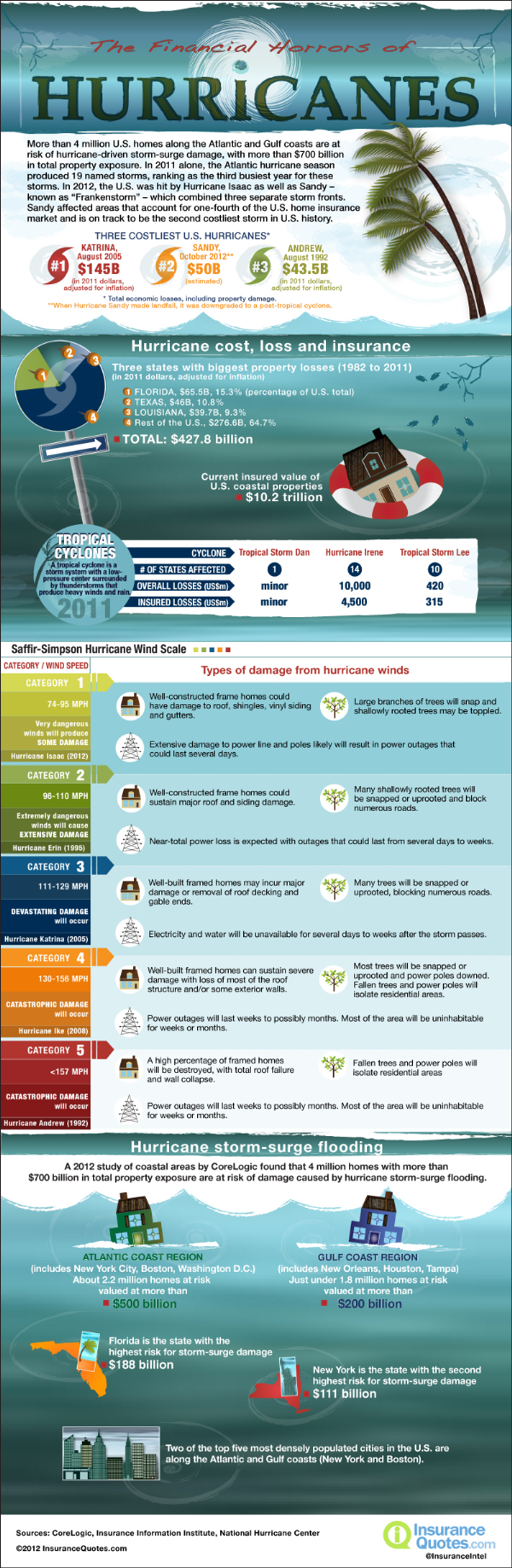
Superstorm Sandy dramatically affected the East Coast. In fact, with an estimated $50 billion in damage and economic losses, Sandy could go down as the second-costliest hurricane in U.S. history. …
This item is available in full to subscribers.
We have recently launched a new and improved website. To continue reading, you will need to either log into your subscriber account, or purchase a new subscription.
If you are a digital subscriber with an active subscription, or you are a print subscriber who had access to our previous wesbite, then you already have an account here. Just reset your password if you have not yet logged in to your account on this new site.
If you are a current print subscriber and did not have a user account on our previous website, you can set up a free website account by clicking here.
Otherwise, click here to view your options for subscribing.
Please log in to continue |
Superstorm Sandy dramatically affected the East Coast. In fact, with an estimated $50 billion in damage and economic losses, Sandy could go down as the second-costliest hurricane in U.S. history. This infographic from InsuranceQuotes.com shows some of the financial horrors of hurricanes. But are Americans prepared for the financial, physical, emotional and mental toll of another Sandy? A survey commissioned by the National Geographic Channel shows they aren’t. While 58 percent of Americans think the U.S. will be hit by another “significant” hurricane, 56 percent say they’re not prepared for a major disaster like a hurricane. Fortunately, 61 percent of Americans say Sandy has made them think more about being ready for a potential disaster. “Americans should prepare now more than ever before, as a major disaster, manmade or natural, can hit at any time,” says David Kobler, a consultant for the National Geographic Channel.