Tech upgrades to improve home function ( Family Features ) When smart home technologies first emerged, their purpose was largely for convenience and operating the devices was often clunky. Today, …
This item is available in full to subscribers.
We have recently launched a new and improved website. To continue reading, you will need to either log into your subscriber account, or purchase a new subscription.
If you are a digital subscriber with an active subscription, or you are a print subscriber who had access to our previous wesbite, then you already have an account here. Just reset your password if you have not yet logged in to your account on this new site.
If you are a current print subscriber and did not have a user account on our previous website, you can set up a free website account by clicking here.
Otherwise, click here to view your options for subscribing.
Please log in to continue |
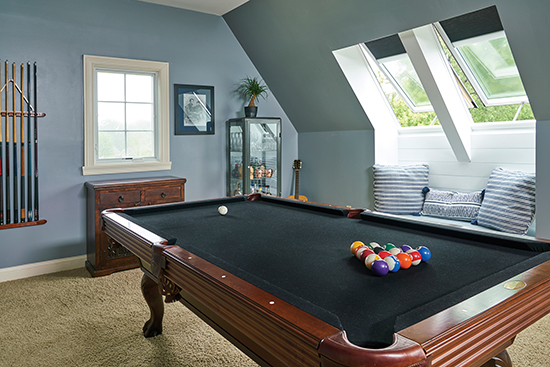 Fingertip controls offer plenty of advantages, but another consideration is energy management. Dimming features and sensors that turn lights off and on through various detection methods (such as movement or recognizing a connected Bluetooth device) help minimize wasted energy. The lights are typically constructed to use less energy, and most models last substantially longer than their traditional counterparts; some brands claim a lifespan of 20 years or more.Smart lighting is an easy way to curb energy usage, but another consideration is climate control, which accounts for a big chunk of a typical household’s energy consumption.The idea of programming your thermostat is nothing new, but smart thermostats take programming to a whole new level. Not only can you schedule temperature changes to coincide with your coming and going (and manage those changes with an app when you’re not even at home), today’s smart thermostats also have sensors that learn your daily habits and can adjust the climate accordingly. Comfort aside, the impact on energy usage is often substantial enough that some electric companies even offer incentives to homeowners who install the devices.Air QualityIn an average home, the pollutant level is normally low when people first enter the house, or after effective ventilation. However, after an extended period of time, daily activities can raise the level of humidity and carbon dioxide to unhealthy levels that can cause headaches, dizziness and sleepiness, and can contribute to long-term health issues.“Few are aware of the impact of indoor air on their health and wellbeing, but the air we breathe is just as important as the food we eat or the water we drink,” said Kent Holm, senior vice president of global product management with the Velux Group. “An average adult breathes in around 4,000 gallons of air every day and spends up to 90 percent of their time indoors. A healthy indoor climate goes way beyond simple convenience.”Opening skylights in conjunction with vertical windows removes polluted air from the home and promotes an overall healthier lifestyle. An option such as Velux Active with Netatmo is the first smart skylight system that connects with Apple HomeKit, allowing homeowners to manage indoor climate control at home or remotely with the touch of a button.In addition to manual controls, smart sensor technology monitors carbon dioxide, humidity and temperature in the home and data from local weather station forecasts to automatically open the skylights if fresh air is needed. The system can also automate skylight blinds. Learn more at whyskylights.com.