The noise inside the Warrenton High School gym sounds like any other winter wrestling tournament with shoes squeaking on mats, coaches barking instructions and teammates clapping encouragement.
…
This item is available in full to subscribers.
We have recently launched a new and improved website. To continue reading, you will need to either log into your subscriber account, or purchase a new subscription.
If you are a digital subscriber with an active subscription, or you are a print subscriber who had access to our previous wesbite, then you already have an account here. Just reset your password if you have not yet logged in to your account on this new site.
If you are a current print subscriber and did not have a user account on our previous website, you can set up a free website account by clicking here.
Otherwise, click here to view your options for subscribing.
Please log in to continue |
The noise inside the Warrenton High School gym sounds like any other winter wrestling tournament with shoes squeaking on mats, coaches barking instructions and teammates clapping encouragement.
But for the third straight year, this tournament is about far more than wins and losses.
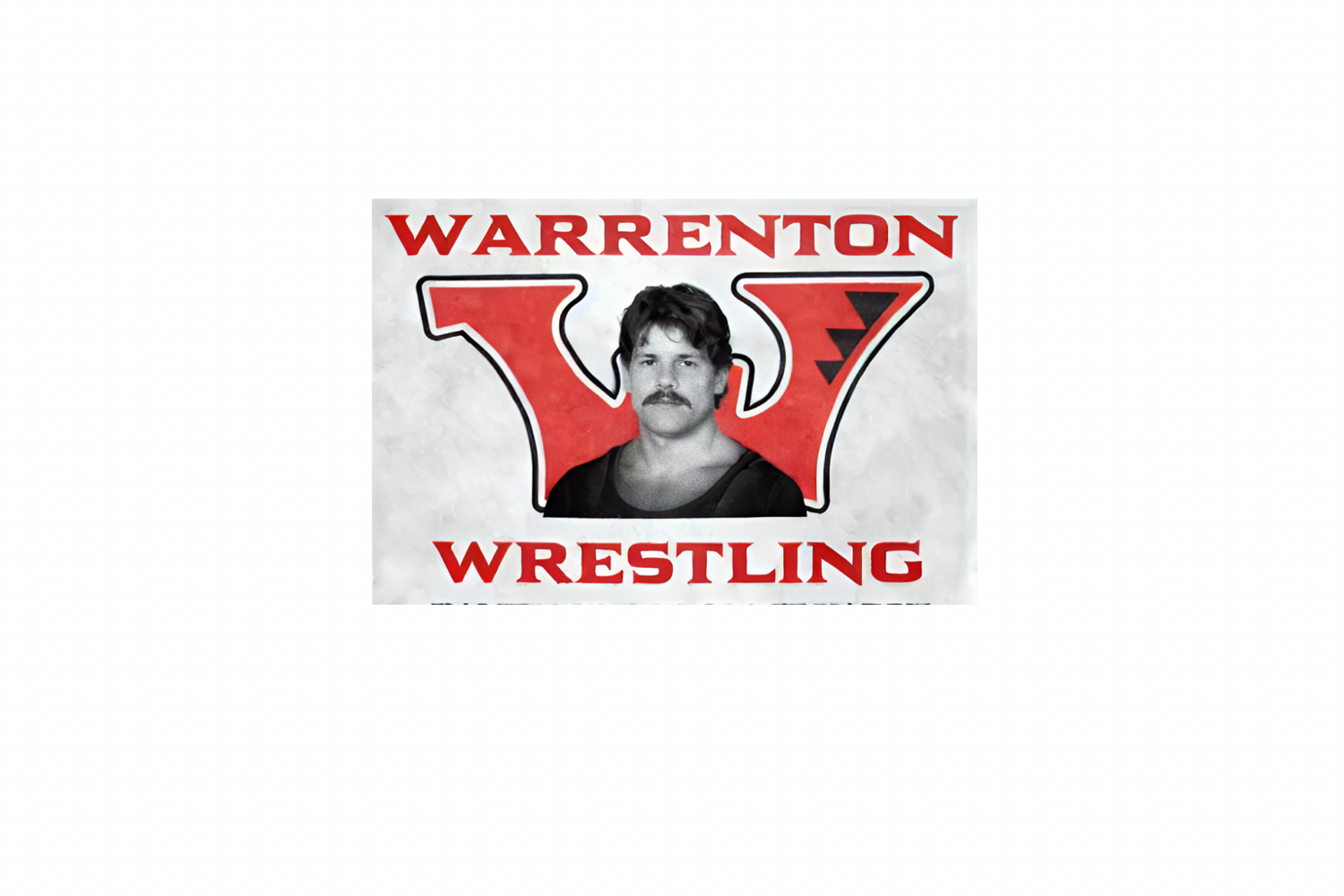
It’s about Jim Hardy.
Hardy, a longtime Black Hawk Middle School wrestling coach and teacher, passed away nearly two years ago. Yet on this day, his presence is unmistakable, not because of banners or ceremony, but because of the people he influenced .
“This is just how he would’ve wanted it,” said Warrenton wrestling coach Chad Berrey. “Business as usual. Go wrestle. Go compete. Be tough.”
Hardy spent more than a decade building the middle school wrestling program at Warrenton, coaching generations of athletes who credit him with changing not just how they wrestled, but who they became.
“He was a relationship guy,” Berrey said. “Kids would walk in on the first day (of practice) kind of all over the place. By the end of the season, they were accountable in school, in life, and on the mat.”
Berry recalled a striking statistic from Hardy’s tenure: a program that once had more than 100 failing grades finished a season with zero.
“He stressed academics just as much as wrestling,” Berrey said. “If you were going to wear the ‘W,’ you represented something bigger.”
For sophomore wrestler Charles Larson, Hardy’s influence began in seventh grade.
“My first ever match, he was there coaching me,” Larson said. “I remember shaking his hand afterward and him telling me ‘good job.’ That stuck with me.”
Hardy’s lessons went beyond encouragement.
“He always said even if you lose, if you learn from it, you’ll get better,” Larson said. “That mindset stays with you.”
Senior Zayden Teson sees Hardy’s fingerprints all over the program today.
“The grinding it out, that’s all Hardy,” Teson said. “Wrestling’s tough. He taught us not to quit, to push through conditioning, drilling, all of it.”
Teson said Hardy’s old-school methods weren’t always easy but they worked and have helped him become a standout for the Warriors.
“He didn’t sugarcoat things,” he said. “But he always cared.”
Hardy was known for repeating one phrase so often it became a program mantra.
“You’re entitled to nothing. You get what you earn.”
Berrey said Hardy would repeat it “eight times a day” during the school day and years later, wrestlers still quote it.
“That mentality is still here,” Berrey said. “If you want to be a champion, you earn it.”
Former Warrenton wrestler Manny McCauley credits Hardy with changing the direction of his life.
“He basically forced me to join wrestling,” McCauley said with a laugh. “And from there, everything changed.”
McCauley said Hardy looked out for him both on and off the mat, helping him stay eligible, focused, and motivated.
“I honestly don’t know where I’d be without him,” McCauley said. “Wrestling got me to college.”
Now wrestling at McKendree University, McCauley has already started coaching, passing on the same tough-minded approach Hardy taught him.
“There’s no replacing him,” McCauley said. “But his mindset lives on.”
One of the most symbolic tributes to Hardy came shortly after his passing.
Berrey found Hardy’s old wrestling shoes in the middle school wrestling room. Coincidentally, McCauley wore the same size.
McCauley wrestled part of his postseason, including district competition, in Hardy’s shoes.
“He wanted to win state in his coach’s shoes,” Berrey said. “That was his goal.”
The shoes eventually gave out, but McCauley still keeps them as a reminder of the man who helped shape him.
“I honestly don’t know what he (Hardy) saw in me,” McCauley said. “He seemed to take an interest in troubled kids and wanted to help them. He definitely looked out for me.”
Hardy never talked about his own accolades. Few even knew the full scope of his background. Even fewer knew about the time he wrestled WWE star Randy Orton, leaving Orton in tears after getting the best of the 14-time WWE champion, nicknamed The Viper and Legend Killer.
He was a state champion in high school, wrestled at the University of Missouri, served as a team captain, and even trained on the Olympic circuit before choosing to step away and focus on family.
“He never bragged,” Berrey said. “He’d only tell those stories if they helped teach a lesson.”
Greg Warren, a well-known stand-up comedian from St. Louis, was a teammate of Hardy’s at Mizzou. Warren was just a freshman when Hardy was a senior, but spoke fondly of his friend, calling him kind and saying Hardy never seems to take life too seriously.
“He was just a kind person,” Warren said. “He was dedicated and put in the work but he never seemed to take it too seriously.”
That humility is part of why those closest to him believe he would’ve resisted having a tournament named in his honor.
“He’d probably say it’s ridiculous,” Teson said. “But then he’d tell us, ‘If there’s a tournament named after me, you better go win it.’ ”
While Warrenton finished second as a team this year, the result hardly matters to those who knew him.
“This isn’t about trophies,” Berrey said. “It’s about who these kids become.”
McCauley said Hardy’s legacy is still being written.
“A lot of kids don’t realize nothing’s given,” McCauley said. “Hardy showed us you can get out of anywhere if you apply yourself.”
As wrestlers take the mat each year, Hardy’s lessons continue to echo, not through speeches or ceremonies, but through effort, toughness and character.
“He didn’t want attention,” Berrey said. “He just wanted kids to be better people.”