5 tips from a professional tiger trainer ( Family Features ) If the thought of training your pet cat seems like a difficult feat, consider the daunting task of training one of nature’s biggest …
This item is available in full to subscribers.
We have recently launched a new and improved website. To continue reading, you will need to either log into your subscriber account, or purchase a new subscription.
If you are a digital subscriber with an active subscription, or you are a print subscriber who had access to our previous wesbite, then you already have an account here. Just reset your password if you have not yet logged in to your account on this new site.
If you are a current print subscriber and did not have a user account on our previous website, you can set up a free website account by clicking here.
Otherwise, click here to view your options for subscribing.
Please log in to continue |
 Start SmartWhile your training might be inspired by the behaviors you’d like your cat to adopt or change, beginning your training by rewarding your pet’s existing good habits is often an easy way to reinforce behavior. For example, if your cat sits patiently for food, pair this with a treat and verbal reassurance to praise the behavior and encourage it in the future.
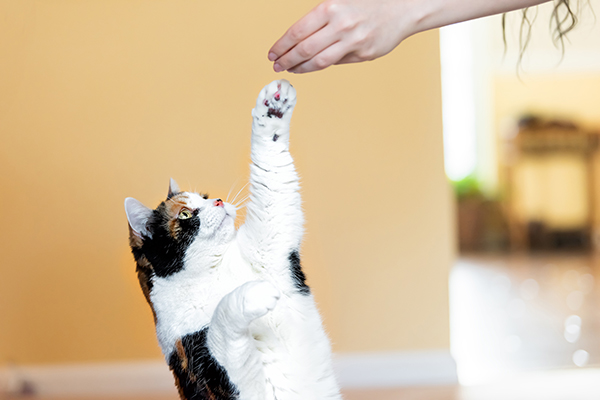 Identify MotivatorsWhen beginning the training process, identify your cat’s likes and dislikes. Some cats are motivated by toys while most are motivated by food. When starting the training process, try out a few different treat flavors to identify what gets your cat’s attention. Treats such as TEMPTATIONS™ Cat Treats come in a wide variety of flavors, making it easy to find one that will make your cat come running. For cats with health or weight restrictions, utilize toys or tactile reinforcement like petting for motivation.
 Be ConsistentTo prevent confusion, remain consistent when rewarding behaviors and only give praise when your cat completes a trick or task. If you reward your cat for following a command halfway or missing a step, you’re not rewarding the behavior you’d like to see in the future.
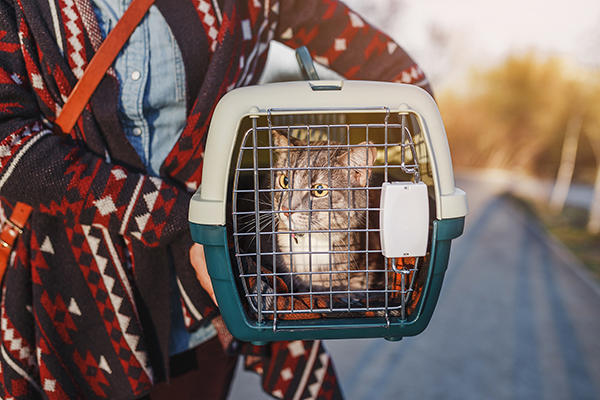 Focus on PracticalityCats are smart creatures and full of potential when it comes to training. Pinpointing practical habits that can serve you and your cat’s lifestyle in the future is a smart and achievable goal to tackle while your cat is young and his or her habits are malleable. For example, if you plan to travel, make crate training a priority. If your cat shows resistance with nail trimming and being held, focus your training on desensitization, which will allow you to more easily groom him or her or assess injuries later on.
 Celebrate the Small VictoriesTraining your cat can be difficult, but it’s a great opportunity for bonding and relationship building. Have patience and reinforce your pet’s hard work by acknowledging his or her effort along the way and provide encouragement to keep him or her learning and advancing in training.Photos courtesy of Adobe StockHow to Train Your Cat