( Family Features ) Every day seems to bring a new food trend, and while it can be tempting to go all-in on the latest craze to hit the shelves, there are lots of tried-and-true foods that still …
This item is available in full to subscribers.
We have recently launched a new and improved website. To continue reading, you will need to either log into your subscriber account, or purchase a new subscription.
If you are a digital subscriber with an active subscription, or you are a print subscriber who had access to our previous wesbite, then you already have an account here. Just reset your password if you have not yet logged in to your account on this new site.
If you are a current print subscriber and did not have a user account on our previous website, you can set up a free website account by clicking here.
Otherwise, click here to view your options for subscribing.
Please log in to continue |
(Family Features) Every day seems to bring a new food trend, and while it can be tempting to go all-in on the latest craze to hit the shelves, there are lots of tried-and-true foods that still deserve a place at the table. One of those is real, wholesome dairy milk.If you’re thinking about passing over real milk in favor of one of the non-dairy milk alternatives, like oat, almond or coconut milk, it’s important to know they’re not a one-to-one swap. In fact, while they might have similar packaging, real milk and non-dairy alternatives differ in several key areas including nutrition, ingredients, added sugars and taste.Starting with nutrition, few non-dairy alternatives can match the full nutrient package found in real milk, which naturally contains high-quality protein, calcium, phosphorus and B vitamins. Real milk is also the top food source of calcium, vitamin D and potassium in the American diet – three of the nutrients the current Dietary Guidelines say people most often lack – and it’s hard to get enough important nutrients without it, according to research published in the Journal of the American Dietetic Association and The FASEB Journal.Real milk is also simple, with a short ingredient list of just milk, vitamin A and vitamin D and no added sugar. Some non-dairy milk alternatives have 10 or more ingredients, including added sugar, salt, stabilizers and emulsifiers.On top of being a fresh, nutritious beverage, milk plays a key role in wholesome, classic recipes to share with family and friends. From this Easy Creamy Macaroni and Cheese to a classic alfredo, real milk not only boosts nutrition, it also adds dimension, accentuates flavor and serves as a creamy base to many of your favorite dishes.For more recipe inspiration, visit milklife.com.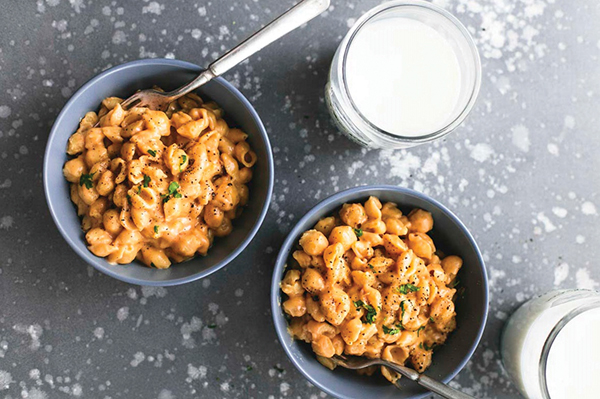
Servings: 4
Nutritional information per serving: 660 calories; 36 g fat; 21 g saturated fat; 105 mg cholesterol; 33 g protein; 51 g carbohydrates; 2 g fiber; 540 mg sodium; 905 mg calcium. Nutrition figures include 8-ounce glass of low-fat milk. A Classic Staple for Family Meals